盛开
How to Understand
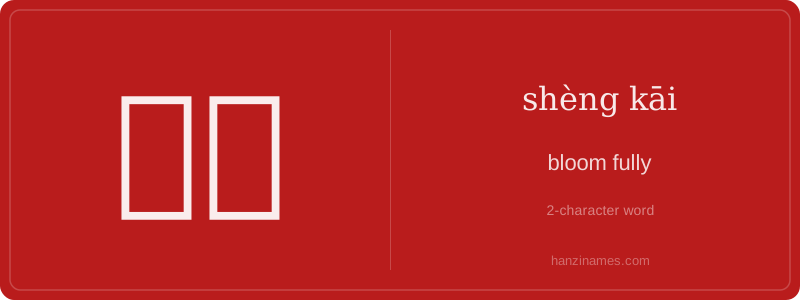
盛开 means 'to bloom fully' or 'in full bloom'. It is commonly used to describe flowers that are in their most vibrant and complete state, but it can also be used metaphorically for situations or emotions that are at their peak.
The character 盛 (shèng) means 'full', 'abundant', or 'prosperous', while 开 (kāi) means 'to open' or 'to begin'. Together, they form a vivid image of something that has reached its fullest expression.
盛开 is often used in poetry, nature descriptions, and even in metaphors for success or emotional intensity. It is frequently seen in Chinese literature and is a popular choice for describing the beauty of springtime blossoms. Understanding this term helps learners grasp how Chinese conveys the idea of fullness and completion in both literal and figurative contexts.