冒昧
How to Understand
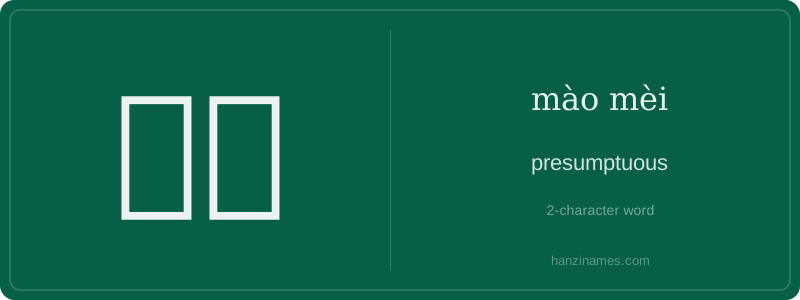
冒昧 means 'presumptuous' or 'bold' in a way that shows a lack of proper respect, but it is often used humbly to show politeness. It conveys the idea of doing something without sufficient basis or caution, especially in social or formal situations.
The character 冒 (mào) originally meant 'to rise' or 'to appear,' and later came to mean 'to overstep' or 'to be impudent.' 昧 (mèi) means 'ignorance' or 'darkness,' suggesting a lack of understanding. Together, they form a term implying boldness or presumption due to ignorance or overconfidence.
冒昧 is commonly used in formal or polite contexts to apologize for being forward or to express hesitation before making a request. It reflects the cultural value of humility and respect in Chinese communication. For example, someone might say 冒昧问一下 to politely ask a question they feel might be intrusive.