欺诈
How to Understand
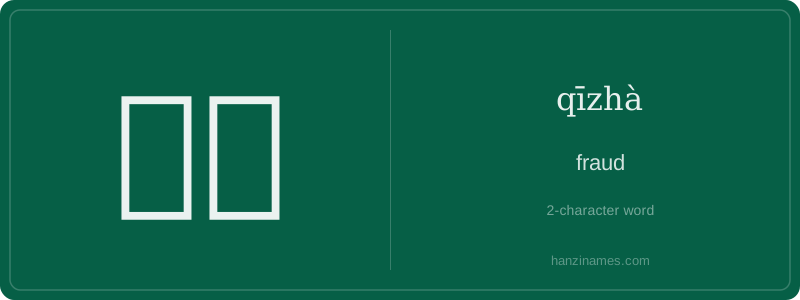
欺诈 refers to deliberate deception for personal gain, often involving false information or misleading actions. It is more specific than general terms like 'deception' or 'trickery,' as it implies a calculated and intentional act with financial or legal consequences.
The character 欺 means 'to deceive' or 'to mistreat,' while 诈 means 'to cheat' or 'to lie.' Together, they form a term that emphasizes the malicious intent behind the deception, making it distinct from accidental misinformation or harmless jokes.
欺诈 is commonly used in legal and formal contexts, such as in discussions about financial crimes, scams, or unethical business practices. It carries a strong negative connotation and is often associated with criminal behavior. In daily life, people might use it when discussing fraud cases or warning others about potential scams.