蔬菜
How to Understand
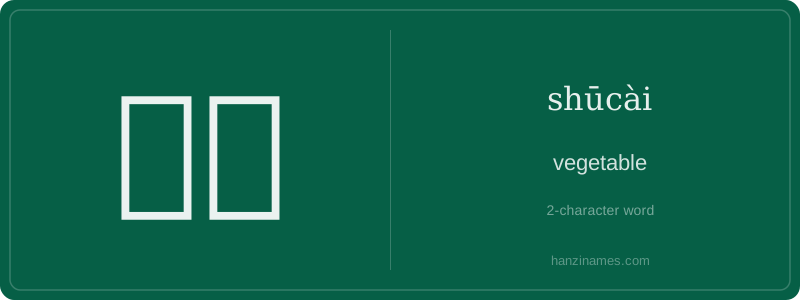
蔬菜 (shūcài) is the general term for vegetables in Chinese, referring to edible plant parts such as leaves, stems, roots, or flowers. It is broader than specific terms like 蔬菜类 (shūcàilèi), which means 'types of vegetables,' and is used in everyday language to describe a wide range of plant-based foods.
The character 蔬 (shū) originally meant 'vegetable' and was often used in classical texts to describe plants grown for food. The character 菜 (cài) literally means 'dish' or 'vegetable dish,' and together they form a compound meaning 'edible plants.' This combination reflects the traditional Chinese view of vegetables as essential components of meals.
Vegetables are a staple in Chinese cuisine, and 蔬菜 is commonly used in grocery lists, recipes, and meal planning. Understanding this term helps learners engage with daily conversations about food, health, and nutrition. It also appears in phrases like 绿色蔬菜 (lǜsè shūcài), meaning 'green vegetables,' or 蔬菜沙拉 (shūcài shālā), meaning 'vegetable salad.'