傻瓜
How to Understand
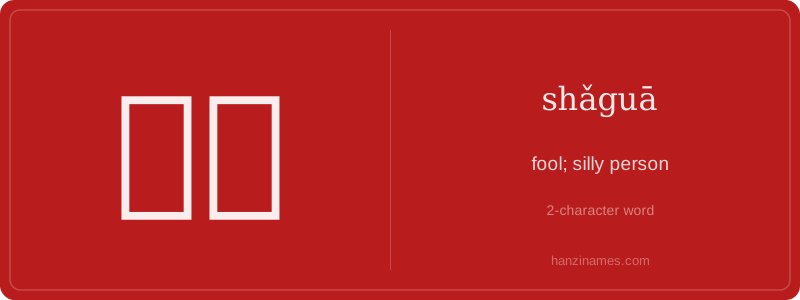
傻瓜 (shǎguā) is a Chinese term used to describe a foolish or silly person. It often carries a derogatory tone, implying someone who lacks intelligence or common sense.
The character 傻 (shǎ) means 'foolish' or 'silly,' and 瓜 (guā) literally means 'melon.' While the exact etymology of 瓜 in this context is unclear, it may have originated from colloquial expressions that likened foolishness to the simplicity of a melon. Together, they form a term that is both direct and expressive.
Usage of 傻瓜 is common in informal speech and can be found in literature, media, and daily conversations. It is often used in a teasing or mocking manner, so care should be taken when using it in polite company. The term can also appear in idioms or proverbs, adding to its cultural richness.