废除
How to Say
👀 0
How to Write
Meaning: Abolish
How to Understand
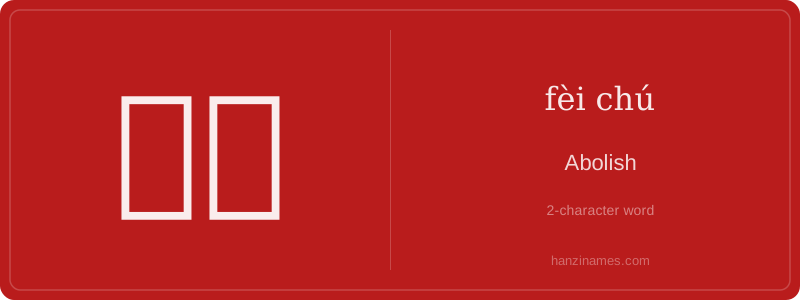
废除
废除 means 'to abolish' or 'to repeal,' typically referring to the cancellation of laws, systems, or practices. It implies a formal or official act of removing something that was previously in place.
The character 废 (fèi) originally meant 'waste' or 'discarded,' while 除 (chú) means 'to remove' or 'to eliminate.' Together, they form a term suggesting the elimination of something no longer valid or useful, often with legal or institutional connotations.
废除 is commonly used in political, legal, and historical contexts. For example, it can refer to abolishing outdated laws, feudal systems, or oppressive policies. It carries a sense of deliberate change and reform, often associated with progress or modernization.
Example Sentences
政府决定废除这项过时的法规。
The government decided to abolish this outdated regulation.
农民们希望废除土地征用中的不公平条款。
Farmers hope to abolish unfair clauses in land expropriation.