下岗
How to Understand
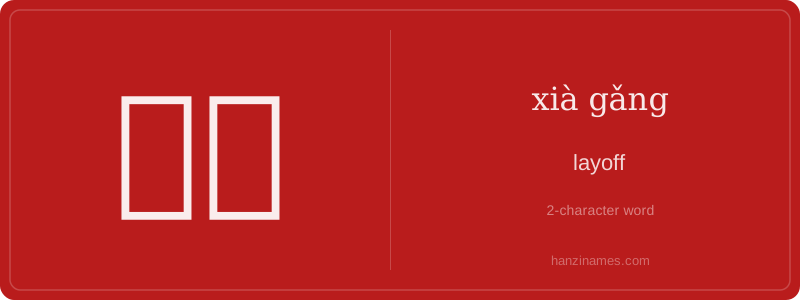
下岗 (xià gǎng) refers to the act of being laid off from a job, especially in the context of state-owned enterprises in China. It is often associated with economic restructuring and downsizing, particularly during the 1990s when many workers lost their jobs due to government reforms.
The character 下 (xià) means 'down' or 'to go down,' while 岗 (gǎng) refers to a post or position, often used in the context of employment. Together, 下岗 literally means 'to go down from a post,' symbolizing the loss of a job or position.
下岗 is commonly used in discussions about labor market changes and social policies in China. It carries emotional weight, reflecting the challenges faced by workers during economic transitions. Related terms include 再就业 (zài jiù yè), meaning 're-employment,' and 下岗职工 (xià gǎng zhí gōng), referring to laid-off workers.