房屋
How to Understand
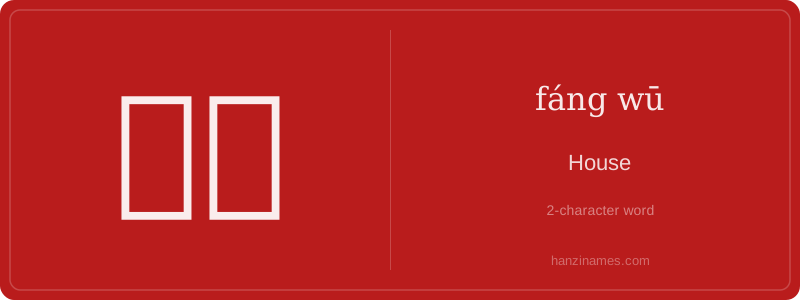
房屋 (fáng wū) is a Chinese word that directly translates to 'house' or 'building.' It refers to a structure where people live or conduct activities. Unlike the more general term '房子 (fángzi),' which means 'house,' 房屋 often implies a more formal or comprehensive structure, such as a residential building or property.
The character 房 (fáng) originally meant 'room' or 'chamber,' and it later came to signify 'house' in a broader sense. 屋 (wū) means 'roof' or 'building,' emphasizing the physical structure. Together, they form a compound meaning 'a place with a roof,' which encapsulates the idea of a dwelling or residence.
In daily usage, 房屋 is commonly found in real estate contexts, legal documents, or formal discussions about housing. It can also appear in phrases like 房屋产权 (fángwū chǎnquán), meaning 'property rights of a house.' Understanding this term is essential for those learning about Chinese housing systems or engaging in property-related conversations.