方才
How to Understand
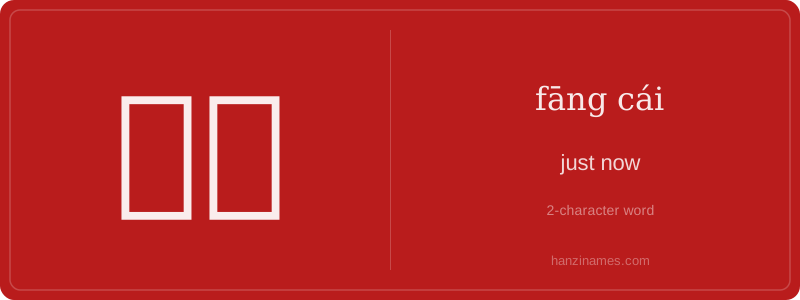
方才 means 'just now' or 'a short while ago,' typically used to refer to something that happened recently in the past. It is often used in spoken Chinese to indicate a brief time frame, similar to 'a moment ago' or 'just now' in English.
The character 方 (fāng) originally meant 'square' or 'direction,' but in this compound word, it contributes to the meaning of time, possibly suggesting a fixed point in time. 才 (cái) is an archaic term for 'a short time' or 'moment.' Together, they form a term that emphasizes a recent past event.
方才 is commonly used in everyday conversations, especially in more formal or literary contexts. It is less common in casual speech than phrases like 刚刚 (gāng gāng), but it carries a slightly more refined tone. It can also appear in written narratives or historical texts to describe events that occurred shortly before the current moment.