偏偏
How to Say
👀 0
How to Write
Meaning: especially
How to Understand
偏偏
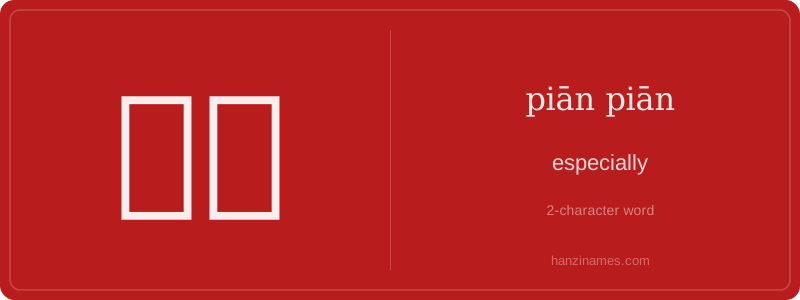
偏piān means 'biased' or 'partial,' and when repeated as 偏偏, it emphasizes a situation that is contrary to expectations or happens in an unexpected way. It often conveys a sense of irony or contradiction.
The character 偏 (piān) originally meant 'leaning' or 'biased,' and its repetition in 偏偏 intensifies the meaning, suggesting something occurs precisely when it shouldn't or in a way that surprises the speaker.
偏偏 is commonly used in spoken Chinese to highlight unexpected events, such as when someone does exactly what you told them not to do. It can also be used humorously or sarcastically, depending on context.
Example Sentences
偏偏他来了,我正想你呢。
He came just when I was thinking about him.
偏偏下雨了,我们不能去野餐。
It rained, and we couldn't go on a picnic.