恐惧
How to Understand
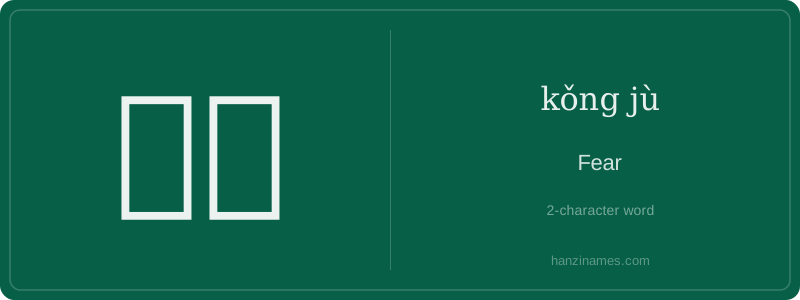
恐惧 (kǒng jù) means 'fear' or 'terror,' typically referring to a strong emotional response to danger, threat, or something unsettling. It is often used in more formal or literary contexts compared to other Chinese words for fear like 害怕 (hài pà), which is more common in everyday speech.
The character 恐 (kǒng) originally meant 'to be afraid' or 'to dread,' while 惧 (jù) means 'to fear' or 'to be terrified.' Together, they create a compound that emphasizes a deep, intense feeling of fear, often involving mental or emotional distress.
恐惧 is commonly used in literature, psychology, and media to describe profound anxieties or phobias. In daily life, it might appear in discussions about fears of the unknown, public speaking, or dangerous situations. Understanding this term helps learners grasp how emotions are expressed in more nuanced or dramatic contexts in Chinese.