油料
How to Understand
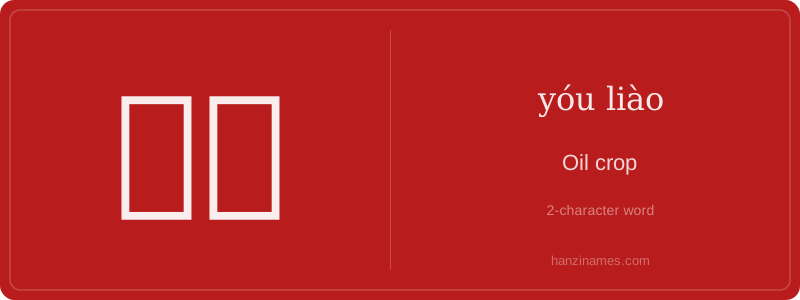
油料 refers to oil-bearing crops or plants used for extracting oil. It specifically denotes plants cultivated for their oil content, such as soybeans, peanuts, and rapeseed. Unlike general terms like 'oil' or 'vegetable oil,' 油料 emphasizes the agricultural aspect of oil production.
The character 油 (yóu) means 'oil,' while 料 (liào) typically translates to 'material' or 'ingredient.' Together, they form a term that highlights the agricultural source of oil rather than the final product itself. This compound reflects the importance of oil crops in Chinese agriculture and food production.
油料 is commonly used in contexts related to farming, food industry, and economic planning. Understanding this term helps learners grasp how China manages its agricultural resources, particularly in relation to edible oils and biofuels. It also appears in discussions about food security and sustainable agriculture.