委屈
How to Understand
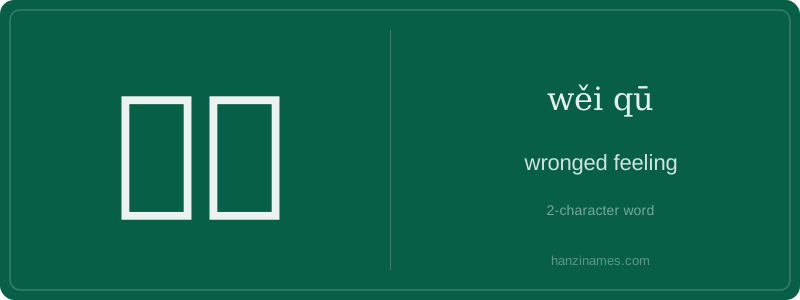
委屈 means a feeling of being wronged or mistreated, often involving a sense of injustice or emotional hurt. It differs from simple sadness or anger by emphasizing the perception of unfair treatment.
The character 委 (wěi) originally meant to be in a difficult or awkward position, while 屈 (qū) means to bend or submit, often implying suppression or defeat. Together, they form a term that conveys a deep sense of injustice and emotional struggle.
委屈 is commonly used in daily conversations to express feelings of being misunderstood or treated unfairly. It can appear in personal relationships, workplace conflicts, or even in stories about historical grievances. Understanding this term helps grasp the nuances of Chinese emotional expression and cultural values around fairness and respect.