生出
How to Say
👀 0
How to Write
Meaning: give birth
How to Understand
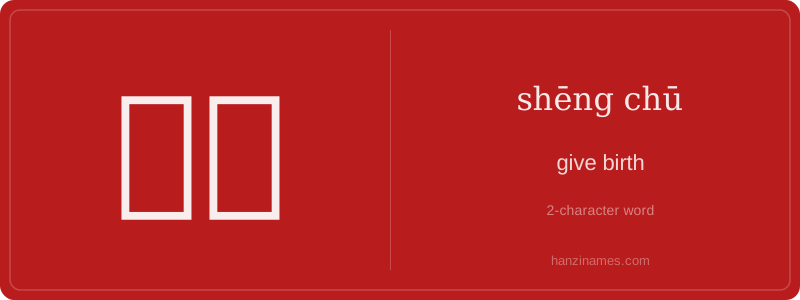
生出
生出 (shēng chū) means 'to give birth' or 'to produce.' It specifically refers to the act of a mother giving birth to a child, often used in biological or metaphorical contexts.
The character 生 (shēng) originally meant 'to be born' or 'to live,' and 出 (chū) means 'to go out' or 'to emerge.' Together, they convey the idea of something coming into existence or being born.
生出 is commonly used in medical, familial, or literary contexts. It can also be used metaphorically, such as 'a new idea was born' (一个新想法生出了). In Chinese culture, the concept of childbirth is deeply respected and often associated with family continuity and tradition.
Example Sentences
她刚刚生出了一个健康的宝宝。
She just gave birth to a healthy baby.
这个计划生出了许多新的商业机会。
This plan gave rise to many new business opportunities.