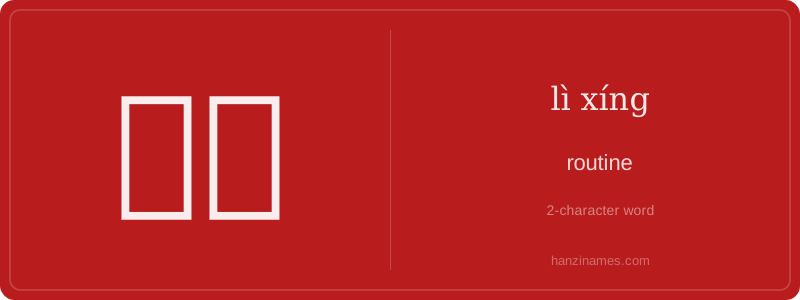
例行
How to Say
👀 0
How to Write
Meaning: routine
How to Understand
例行
例行 means 'routine' or 'standard procedure,' often referring to actions that are performed regularly or according to a set pattern. It emphasizes the habitual or expected nature of an activity, distinguishing it from spontaneous or irregular actions.
The character 例 (lì) means 'example' or 'instance,' while 行 (xíng) means 'to do' or 'to carry out.' Together, they form a term that conveys something done according to a standard or established method.
例行 is commonly used in formal and everyday contexts, such as in government, business, or daily life. For example, it can describe routine inspections, standard procedures, or regular meetings. It reflects the importance of structure and predictability in Chinese culture.
Example Sentences
公司每周都会进行例行检查,以确保设备正常运行。
The company conducts routine inspections every week to ensure the equipment is functioning properly.
他每天早上都做例行的健身锻炼。
He does his daily routine exercise every morning.