结局
How to Say
👀 0
How to Write
Meaning: Ending
How to Understand
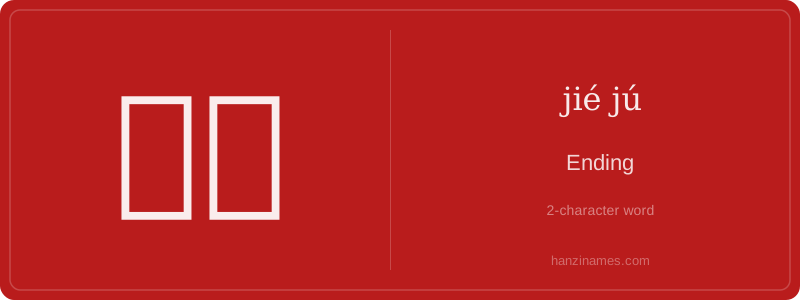
结局
结局 refers to the conclusion or ending of a story, event, or situation. It emphasizes the final outcome, often carrying emotional weight depending on whether it is positive, negative, or neutral.
The character 结 means 'to tie' or 'to conclude,' while 局 means 'situation' or 'circumstance.' Together, they form a term that literally translates to 'concluding situation,' capturing the idea of a final stage or resolution.
结局 is commonly used in literature, films, and daily conversation to discuss the final result of a narrative or life event. It can also imply a sense of closure or finality, making it important in both artistic and practical contexts.
Example Sentences
这个故事的结局出乎意料。
The ending of this story was unexpected.
他们的关系以悲剧结局。
Their relationship ended in tragedy.