强行
How to Say
👀 0
How to Write
Meaning: Forced action
How to Understand
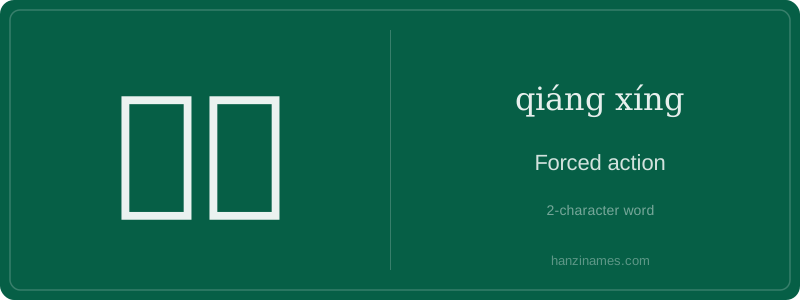
强行
强行 (qiáng xíng) refers to an action that is carried out without the consent or agreement of others, often in a forceful or coercive manner. It implies a lack of voluntary participation and may suggest illegality or moral wrongness.
The character 强 (qiáng) means 'strong' or 'forceful,' while 行 (xíng) means 'to act' or 'to do.' Together, they form a term that conveys the idea of acting with strength or force, often against someone's will.
强行 is commonly used in legal, political, or social contexts to describe actions taken without proper authorization or consideration for others' rights. It can also appear in news reports or discussions about controversial decisions made by governments or organizations.
Example Sentences
他强行闯入了禁区,被保安拦了下来。
He forcibly entered the restricted area and was stopped by the security guards.
政府强行通过了这项法律,引发了广泛抗议。
The government forced through this law, sparking widespread protests.