出兵
How to Say
👀 0
How to Write
Meaning: mobilize troops
How to Understand
出兵
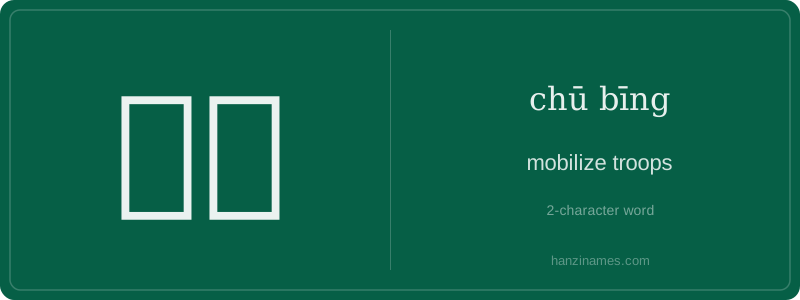
出兵 (chū bīng) means 'to mobilize troops' or 'to send forces into battle.' It refers to the act of deploying military forces, typically in a formal or strategic context.
The character 出 (chū) means 'to go out' or 'to depart,' while 兵 (bīng) means 'soldier' or 'military force.' Together, they convey the idea of sending soldiers into action, often in the context of war or conflict.
出兵 is commonly used in historical, political, and military discussions. It can also be used metaphorically in contexts like business competition or sports. Understanding this term helps grasp how Chinese culture views military strategy and national defense.
Example Sentences
国家决定出兵支援盟友。
The country decided to mobilize troops to support its ally.
将军在战前下令出兵。
The general ordered to mobilize troops before the battle.