孤独
How to Understand
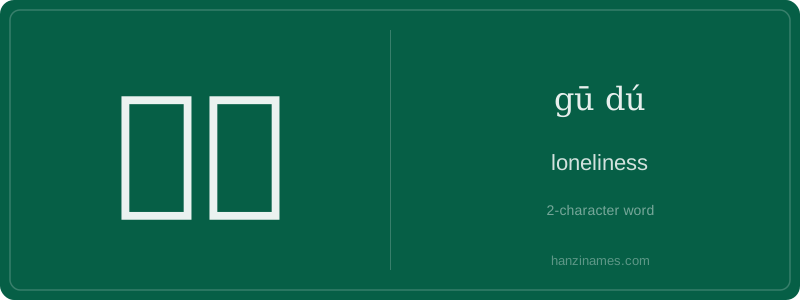
孤独 (gū dú) refers to the feeling of being alone, often accompanied by a sense of emotional isolation or solitude. It is more than just physical separation—it conveys a deep longing for connection and understanding.
The character 孤 (gū) originally meant 'alone' or 'solitary,' and 独 (dú) means 'alone' or 'solo.' Together, they emphasize a state of being without companionship, often with a melancholic tone. This word carries both literal and metaphorical meanings, often used to describe emotional states rather than just physical solitude.
In Chinese culture, loneliness is sometimes viewed as a natural part of life, especially in literature and poetry. It can also be associated with introspection and self-discovery. Common expressions like “感到孤独” (gǎn dào gū dú) mean 'to feel lonely,' and it's often used in personal reflections or artistic contexts.