躲避
How to Understand
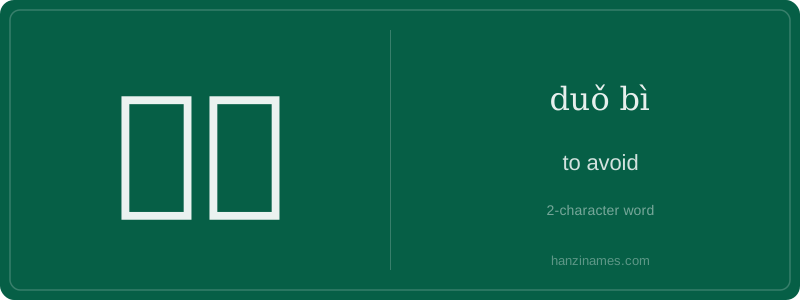
躲避 means 'to avoid' or 'to evade,' typically referring to moving away from something dangerous, uncomfortable, or unwanted. It implies a deliberate action to stay clear of a situation or object.
The character 躲 (duǒ) originally meant 'to hide' or 'to crouch,' while 避 (bì) means 'to avoid' or 'to shun.' Together, they create a compound that emphasizes the act of physically or metaphorically moving away from something.
躲避 is commonly used in both everyday and formal contexts, such as avoiding a threat, evading responsibility, or steering clear of an argument. It is often associated with self-preservation or strategic movement. In Chinese culture, the concept of avoiding conflict or danger is valued, making 躲避 an important word in daily interactions.