余地
How to Understand
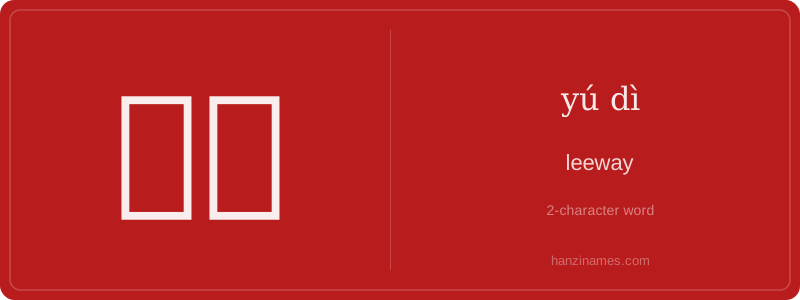
余地 (yú dì) refers to space, room, or flexibility in a situation. It can mean physical space, but more commonly it denotes metaphorical room for maneuver, such as in negotiations, plans, or decisions.
The character 余 (yú) originally meant 'leftover' or 'remainder,' and later came to signify 'more than enough' or 'space left.' 地 (dì) means 'ground' or 'place.' Together, they form a term that implies an area or opportunity remaining after something has been used or considered.
余地 is often used in contexts like business negotiations, personal relationships, or planning. For example, a person might say there is still 余地 in a deal, meaning there's room for further discussion. In Chinese culture, maintaining 余地 is seen as wise, allowing for unexpected changes or flexibility in life and work.