迷信
How to Understand
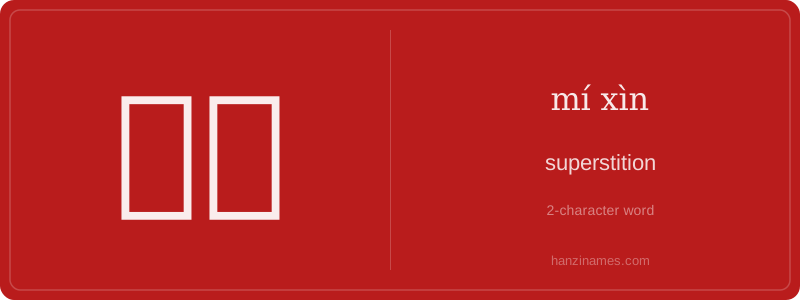
迷信 refers to the belief in supernatural forces or rituals without rational basis, often involving superstitious practices. It differs from religion in that it lacks organized doctrine and is typically based on personal or local traditions.
The character 迷 (mí) originally meant 'to be lost' or 'to be confused,' while 信 (xìn) means 'belief' or 'trust.' Together, they convey the idea of being misled by false beliefs or irrational faith.
Superstition is still present in some parts of Chinese society, especially in rural areas or among older generations. It often involves practices like avoiding certain numbers, following auspicious dates, or performing rituals for good luck. Understanding this term helps learners grasp cultural nuances related to traditional beliefs.