秦始皇
How to Understand
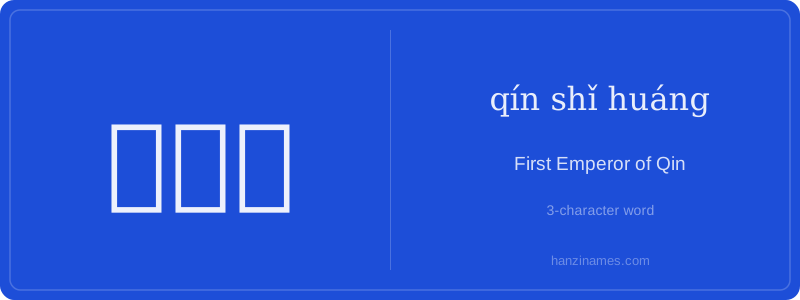
秦始皇 (qín shǐ huáng) refers to the first emperor of the Qin Dynasty, who unified China and initiated many foundational systems of Chinese governance. It is a historical title rather than a common noun.
The character 秦 (qín) refers to the state of Qin, which eventually conquered all other states. 始 (shǐ) means 'beginning,' and 皇 (huáng) means 'emperor' or 'august one.' Together, the name signifies the first emperor who unified China under one rule.
Historically, 秦始皇 is a central figure in Chinese history, known for standardizing weights, measures, writing systems, and building the Great Wall. He is often referenced in discussions about ancient Chinese unification and imperial authority. In modern contexts, his name appears in historical texts, documentaries, and cultural references.