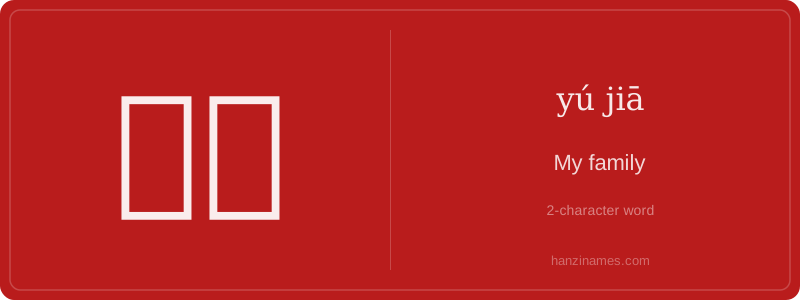
余家
How to Say
👀 0
How to Write
Meaning: My family
How to Understand
余家
余家 is a pronoun that means 'my family' or 'our family' in Chinese. It is used to refer to the speaker's family in a humble or formal manner, often in written or polite speech.
The character 余 (yú) originally meant 'I' or 'my,' and it is often used in formal or literary contexts. 家 (jiā) means 'family' or 'home.' Together, 余家 literally translates to 'my family' and carries a sense of modesty or respect when referring to one's own family.
余家 is commonly used in traditional settings, such as in letters, official documents, or formal speeches, where humility and respect are emphasized. It can also appear in historical texts or in situations where the speaker wishes to maintain a respectful tone when mentioning their family.
Example Sentences
余家在杭州有一座老房子。
My family has an old house in Hangzhou.
余家今天邀请了亲戚来吃饭。
My family invited relatives over for dinner today.