孩子
How to Understand
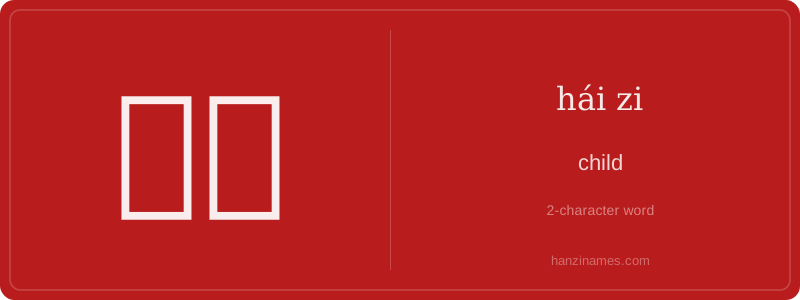
孩子 (hái zi) is the most common Chinese word for 'child,' referring to a young person, typically under the age of 18. It is a general term that can be used for both boys and girls, and it carries a warm, affectionate connotation in many contexts.
The character 孩 (hái) originally meant 'to raise or nurture' and later came to mean 'child.' The character 子 (zǐ) literally means 'son' but is often used as a suffix to denote a person, especially in names or terms of endearment. Together, they form a term that emphasizes the relationship between a child and their family or caregivers.
孩子 is widely used in daily conversation and is an essential word for parents, teachers, and anyone interacting with children. In formal or literary contexts, other terms like 儿童 (ér tóng) may be used, but 孩子 remains the most natural and commonly understood term in spoken language.