太庙
How to Say
👀 0
How to Write
Meaning: Imperial Ancestral Temple
How to Understand
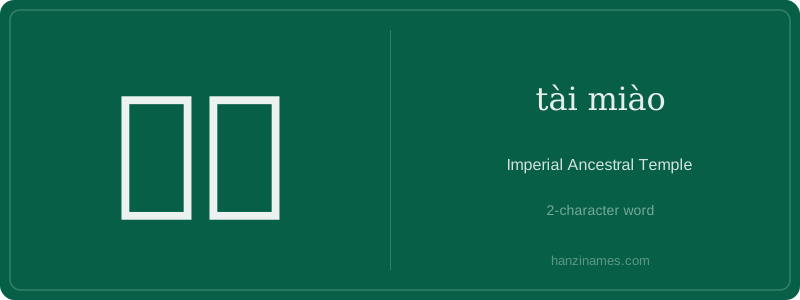
太庙
太庙 (tài miào) refers to the Imperial Ancestral Temple, a historical site used by Chinese emperors to worship their ancestors. It is distinct from other temples because it specifically serves a royal and ceremonial function.
The character 太 (tài) means 'great' or 'supreme,' while 庙 (miào) means 'temple' or 'shrine.' Together, they signify a grand temple dedicated to ancestral veneration, emphasizing its importance in imperial culture.
Historically, 太庙 was central to Confucian rituals and the legitimacy of the emperor's rule. Today, it remains a symbol of China's imperial past and is often visited as a cultural landmark. The term is commonly used in historical contexts and in discussions about traditional Chinese religious practices.
Example Sentences
皇帝在太庙中举行祭祀仪式,以纪念祖先。
The emperor held a sacrificial ceremony in the Imperial Ancestral Temple to honor his ancestors.
游客参观了北京的太庙,了解中国古代的祭祀文化。
Visitors explored the Beijing Imperial Ancestral Temple to learn about ancient Chinese sacrificial customs.