皇宫
How to Understand
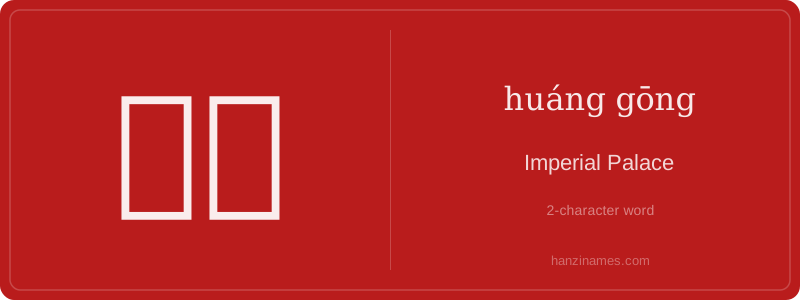
皇宫 (huáng gōng) refers to the palace where an emperor or empress lived, typically associated with the ruling dynasty. It is distinct from other types of palaces or residences because it represents the center of political power and imperial authority.
The character 皇 (huáng) originally meant 'emperor' or 'royal,' and later came to signify grandeur or supreme power. The character 宫 (gōng) means 'palace' or 'court.' Together, they form a term that specifically denotes the residence of the emperor, emphasizing both its royal status and architectural significance.
皇宫 is often used in historical contexts, especially when referring to Chinese imperial history. Famous examples include the Forbidden City in Beijing, which was the imperial palace of the Ming and Qing dynasties. Understanding this term helps learners grasp the cultural and historical importance of imperial architecture in China.