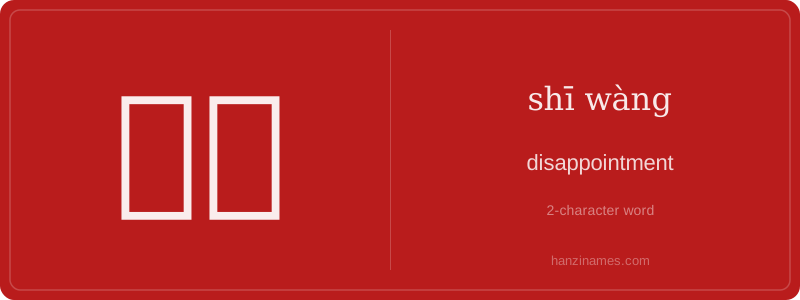
失望
How to Say
👀 0
How to Write
Meaning: disappointment
How to Understand
失望
失望 (shī wàng) refers to a feeling of sadness or disillusionment when expectations are not met. It often implies a sense of letdown or unfulfilled hope, distinguishing it from general sadness or regret.
The character 失 (shī) means 'to lose' or 'to fail,' while 望 (wàng) means 'hope' or 'expectation.' Together, they convey the idea of losing hope or failing to meet expectations, highlighting the emotional impact of unmet goals or promises.
失望 is commonly used in daily conversations to express disappointment in various situations, such as personal relationships, work, or social events. In Chinese culture, managing expectations is important, and expressing disappointment can be a way to communicate unmet hopes without being overly negative.
Example Sentences
他对这次考试的结果感到失望。
He felt disappointed with the result of this exam.
她对他的迟到感到失望。
She was disappointed by his lateness.