太平
How to Understand
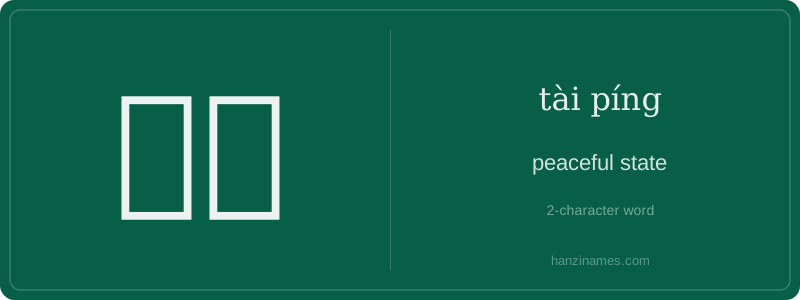
太平 (tài píng) refers to a state of peace, tranquility, or stability. It often implies a condition free from conflict, danger, or disturbance, and is commonly used in both literal and metaphorical contexts.
The character 太 (tài) originally meant 'great' or 'extreme,' and 平 (píng) means 'level' or 'even.' Together, they suggest a balanced, harmonious condition. This term has deep roots in Chinese philosophy, particularly in Confucian and Taoist ideals of balance and order.
太平 is frequently used in historical and political contexts, such as describing a prosperous era, or in everyday speech to express that things are going smoothly. It can also appear in names of places or organizations, like the Taiping Heavenly Kingdom, a major rebellion in 19th-century China.