包袱
How to Understand
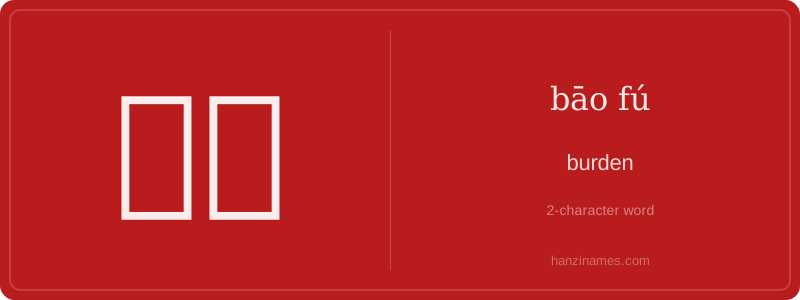
包袱 means 'burden' or 'load,' often used metaphorically to describe emotional or psychological weight, such as guilt, stress, or responsibility. It differs from other terms like 重担 (zhòng dàn) or 负担 (fù dān) by emphasizing the emotional or mental aspect rather than just physical or financial pressure.
The character 包 (bāo) originally meant 'to wrap' or 'package,' suggesting something wrapped up or carried.袱 (fú) was historically used in funeral rituals to carry offerings, symbolizing a load or burden. Together, they form a word that conveys both literal and figurative carrying of weight.
In daily life, 包袱 is often used in phrases like 去掉包袱 (qù diào bāofú), meaning 'to remove one's burden.' It reflects a cultural emphasis on emotional well-being and the importance of letting go of past regrets or pressures.