使者
How to Understand
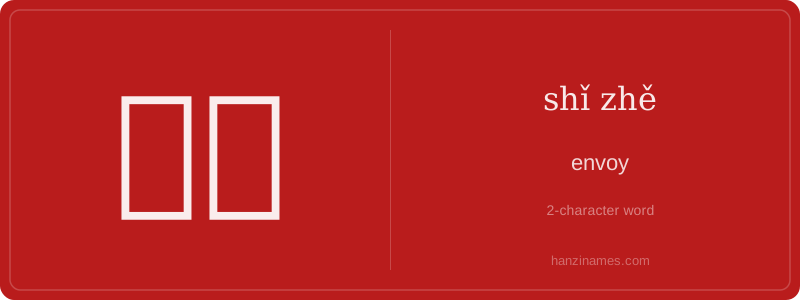
使者 (shǐ zhě) refers to a person who is sent by one party to represent or communicate with another. It commonly translates to 'envoy' or 'ambassador,' especially in formal or diplomatic contexts.
The character 使 (shǐ) originally meant 'to send' or 'to dispatch,' while 者 (zhě) is a suffix used to denote a person who performs an action. Together, they form a term meaning 'one who is sent' — emphasizing the role of representation and communication.
使者 is often used in historical, political, or international settings. For example, during ancient times, envoys were sent between kingdoms to negotiate treaties or exchange gifts. Today, it can also refer to a representative in business or cultural exchanges. Understanding this term helps grasp the importance of communication and diplomacy in Chinese culture.