攻势
How to Understand
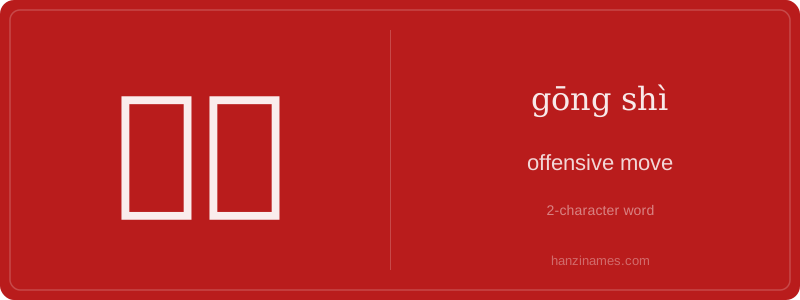
攻势 (gōng shì) refers to an offensive action or initiative, typically in a strategic or competitive context. It emphasizes the active pursuit of an advantage, often in military, political, or business settings. Unlike 'attack,' which is more direct and aggressive, 攻势 suggests a calculated, ongoing strategy.
The character 攻 (gōng) means 'to attack' or 'to take by force,' while 势 (shì) translates to 'trend,' 'situation,' or 'momentum.' Together, they form a term that conveys a dynamic, proactive force or direction, often used to describe a shift in power or control.
攻势 is commonly used in discussions about military tactics, sports strategies, and business competition. It can also appear in historical or political contexts, describing a nation's or group's assertive actions. Understanding this term helps learners grasp how Chinese language expresses strategic intent and momentum in various fields.