气愤
How to Understand
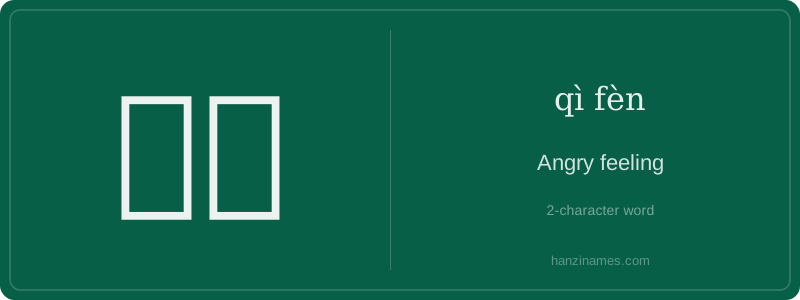
气愤 (qì fèn) refers to a strong feeling of anger or indignation, typically arising from a perceived injustice or unfair treatment. It is more intense than general anger and often involves a sense of moral outrage.
The character 气 (qì) originally meant 'air' or 'breath,' but in this context, it conveys 'emotional energy' or 'spirit.' 愤 (fèn) means 'anger' or 'resentment.' Together, they form a compound that emphasizes a deep emotional reaction rooted in frustration or injustice.
气愤 is commonly used in both formal and informal contexts, especially when discussing social issues, personal grievances, or public events. It is often associated with a sense of moral standing or a desire for justice. In daily conversation, it may be expressed through tone or body language as well as words.