悲愤
How to Understand
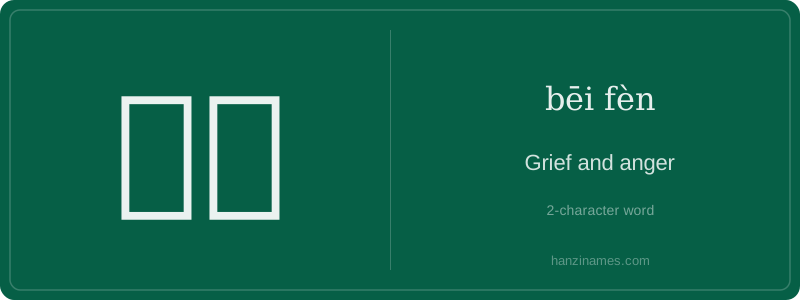
悲愤 refers to a strong emotional state combining deep sorrow with intense indignation. It is often used to describe a feeling of profound sadness mixed with anger, typically in response to injustice or personal loss.
The character 悲 (bēi) means 'grief' or 'sadness,' while 愤 (fèn) means 'anger' or 'indignation.' Together, they form a compound that conveys a complex emotional reaction, emphasizing both the emotional pain and the sense of wrong done.
悲愤 is commonly used in literary or formal contexts to express strong emotional reactions. It may appear in news reports, literature, or historical narratives to describe the feelings of people affected by tragic events or unfair treatment. Understanding this term helps learners grasp nuanced emotional expressions in Chinese.