闯祸
How to Say
👀 0
How to Write
Meaning: cause trouble
How to Understand
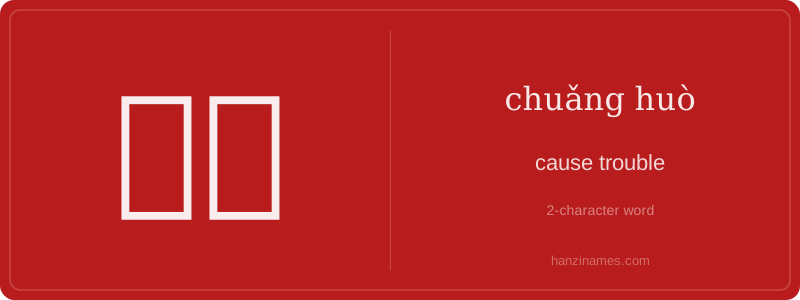
闯祸
闯祸 means to cause trouble or create a problem, often unintentionally. It implies that someone's actions have led to an undesirable situation, typically involving some form of conflict or difficulty.
The character 闯 (chuǎng) originally meant 'to rush in' or 'to break through,' and it carries connotations of boldness or impulsive action. 祸 (huò) means 'disaster' or 'misfortune.' Together, 闯祸 suggests an action that leads to unexpected negative consequences.
In daily conversation, 闯祸 is commonly used when someone makes a mistake or acts recklessly, leading to problems. It is often used in a mildly critical tone, indicating that the speaker believes the trouble was avoidable. The phrase can also be used humorously or in a self-deprecating way.
Example Sentences
他不小心闯祸了,把老板的文件弄丢了。
He accidentally caused trouble by losing his boss's documents.
孩子们在公园里闯祸,把花坛弄坏了。
The children caused trouble in the park by damaging the flower bed.