畴昔
How to Say
👀 0
How to Write
Meaning: In the past
How to Understand
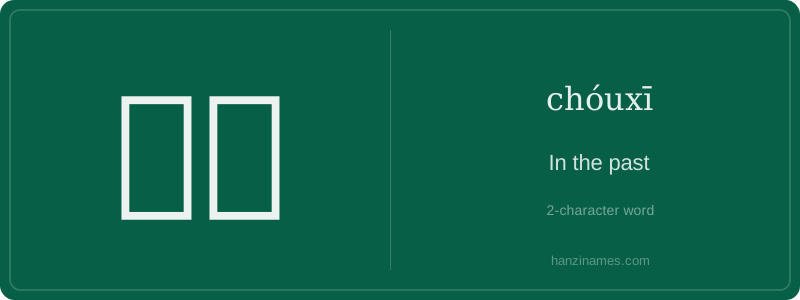
畴昔
畴昔 means 'formerly' or 'in the past,' typically used in literary or formal contexts. It conveys a sense of reflection on bygone times, often with a tone of nostalgia or historical reference.
The character 畴 (chóu) originally meant 'a field or area,' and later came to mean 'to consider' or 'to compare.' 昔 (xī) means 'past' or 'ancient times.' Together, they form a literary term that emphasizes the contrast between the present and the past.
畴昔 is not commonly used in everyday speech but appears in classical Chinese texts, poetry, and formal writing. It can be used to reflect on past events, relationships, or experiences, often evoking a sense of longing or historical perspective.
Example Sentences
畴昔之事,不可复得。
The events of the past cannot be regained.
畴昔与君共游,今已成往事。
In the past, we traveled together; now it has become a memory.