豪放
How to Understand
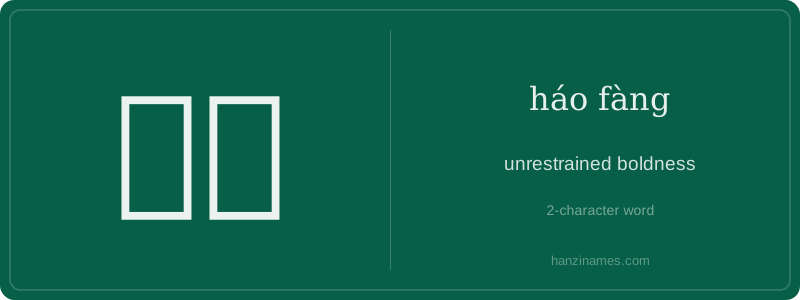
豪放 (háo fàng) refers to a style or manner that is unrestrained, bold, and free-spirited. It often describes someone or something that lacks restraint, whether in behavior, expression, or artistic creation. Unlike 毫 (háo), which means 'a hair' or is used in phrases like 毫无 (háo wú, 'none at all'), 豪 (háo) here carries the meaning of 'bold' or 'magnificent,' emphasizing a sense of grandeur and freedom.
The character 豪 (háo) originally referred to a type of luxurious or expensive fur, symbolizing wealth and extravagance. 放 (fàng) means 'to let go' or 'to be unrestrained.' Together, they form a term that conveys a fearless, unbound spirit, often associated with poets or artists who break from traditional norms.
豪放 is commonly used in cultural contexts, especially in poetry and literature, to describe a bold, dynamic style. It can also refer to a person's personality—someone who is not afraid to express themselves openly. In daily life, it might describe a person's way of speaking or acting with confidence and without hesitation.