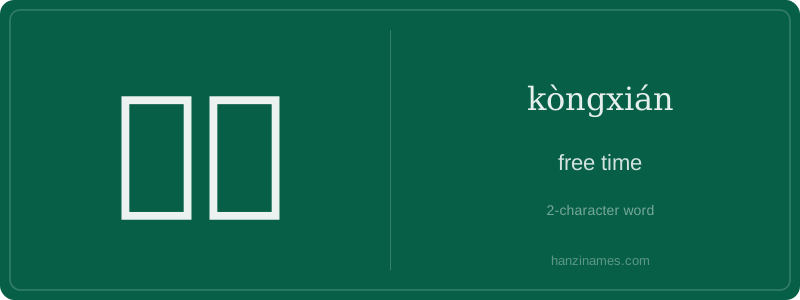
空闲
How to Say
👀 0
How to Write
Meaning: free time
How to Understand
空闲
空闲 refers to free time or leisure, typically when someone is not occupied with work or other obligations. It emphasizes availability for personal activities or relaxation, distinguishing it from busyness or work-related time.
The character 空 (kōng) means 'empty' or 'unoccupied,' while 闲 (xián) means 'leisure' or 'idle.' Together, they convey the idea of having time that is not taken up by duties, making 空闲 a term associated with rest and personal freedom.
In daily use, 空闲 is often used in contexts like scheduling, work-life balance, or planning activities. For example, people might say they have 空闲 to go out or relax. It's also commonly used in professional settings to ask if someone is available for meetings or tasks.
Example Sentences
我今天有空闲,可以去公园散步。
I have free time today and can go for a walk in the park.
他总是很忙,几乎没有空闲时间。
He is always busy and has very little free time.