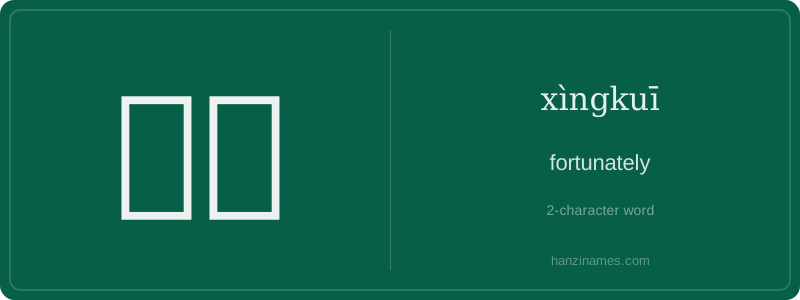
幸亏
How to Say
👀 0
How to Write
Meaning: fortunately
How to Understand
幸亏
幸亏 means 'fortunately' or 'thankfully,' expressing relief or gratitude that something positive happened despite potential difficulties. It emphasizes the fortunate outcome of a situation.
The character 幸 (xìng) means 'happiness' or 'luck,' while 亏 (kuī) originally meant 'loss' or 'deficit.' Together, they form a phrase that conveys a sense of relief, as if luck has prevented a loss or negative outcome.
幸亏 is commonly used in everyday speech to acknowledge a fortunate turn of events. It often appears at the beginning of a sentence, similar to 'Thank goodness' or 'Fortunately' in English. It reflects a cultural value of appreciating good fortune and acknowledging the role of luck in life.
Example Sentences
幸好他及时赶到,否则我们可能会迟到。
Fortunately, he arrived in time, or we would have been late.
幸亏你提醒我,我差点忘了明天的会议。
Thankfully, you reminded me; I almost forgot about the meeting tomorrow.