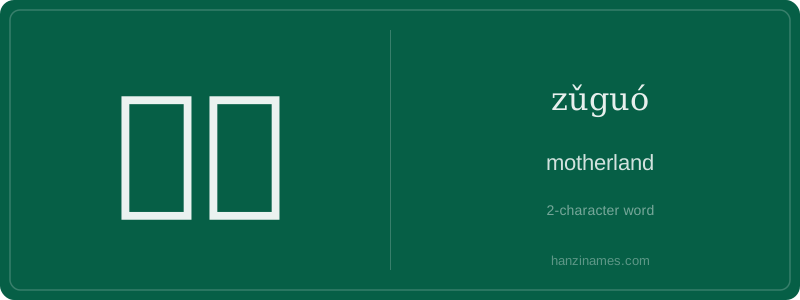
祖国
How to Say
👀 0
How to Write
Meaning: motherland
How to Understand
祖国
祖国 means 'motherland' or 'native land,' referring to the country of one's birth or cultural origin. It carries a strong emotional and patriotic connotation, often used in contexts of national pride and identity.
The character 祖 (zǔ) originally meant 'ancestor' or 'forefather,' symbolizing heritage and lineage. 国 (guó) means 'country' or 'nation.' Together, they evoke the idea of a homeland passed down through generations.
祖國 is commonly used in speeches, literature, and everyday conversation to express love for one's country. It is often associated with patriotism, national unity, and historical legacy. In Chinese culture, it represents not just a geographical location but a deep connection to tradition and family roots.
Example Sentences
我为我的祖国感到骄傲。
I am proud of my motherland.
他为了祖国的繁荣发展而努力工作。
He works hard for the prosperity of his country.