攻击
How to Say
👀 0
How to Write
Meaning: attack
How to Understand
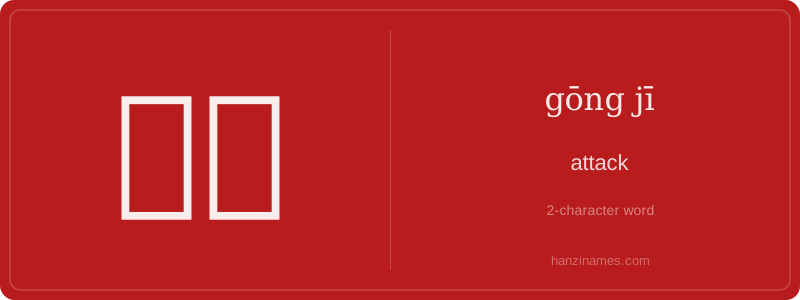
攻击
攻击 means 'attack' in English, typically referring to a physical or verbal assault, often with hostile intent. It can also be used metaphorically to describe criticism or challenges.
攻 (gōng) originally meant 'to attack' or 'to conquer,' while 击 (jī) means 'to strike' or 'to hit.' Together, they form a compound meaning 'attack,' emphasizing the act of confronting or striking against something or someone.
攻击 is commonly used in both literal and figurative contexts, such as in military discussions, sports, or personal conflicts. In Chinese culture, it's important to understand the nuance between direct and indirect forms of attack, as well as the social implications of using such language.
Example Sentences
他突然对经理发起攻击,指责他管理不善。
He suddenly attacked the manager, accusing him of poor management.
媒体对政策进行了猛烈的攻击,引发广泛讨论。
The media launched a fierce attack on the policy, sparking widespread discussion.