国民
How to Understand
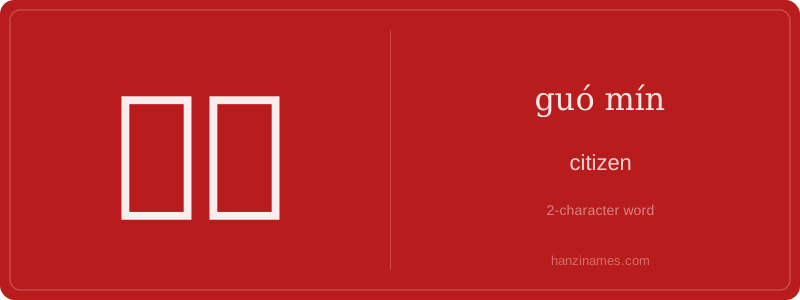
国民 (guó mín) refers to a citizen of a country, particularly in the context of China. It emphasizes the relationship between an individual and the nation, often used in formal or legal contexts.
The character 国 (guó) means 'country' or 'nation,' while 民 (mín) means 'people' or 'citizen.' Together, they form a term that reflects the idea of people who belong to a particular nation, often with a sense of shared identity and responsibility.
国民 is commonly used in official documents, political discourse, and educational materials. It carries a more formal tone compared to other terms like 公民 (gōng mín), which also means 'citizen' but is often used in legal or constitutional contexts. Understanding the nuance between these terms can help learners grasp the subtleties of Chinese political and social language.