释放
How to Understand
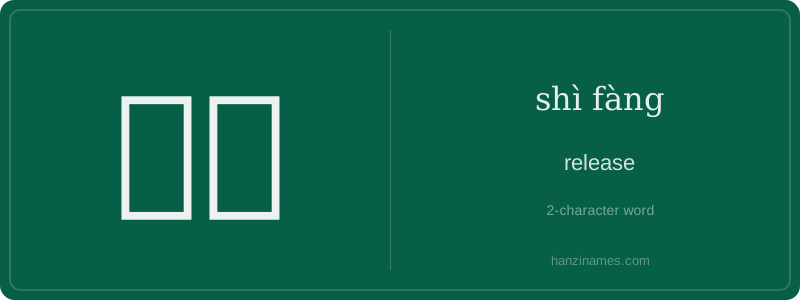
释放 means 'to release' or 'a release,' often referring to the act of setting something free, whether physically, emotionally, or metaphorically. It can also mean 'to let go' or 'to discharge,' and is commonly used in contexts like emotions, energy, or even political prisoners.
The character 释 (shì) originally meant 'to explain' or 'to interpret,' but over time it came to signify 'to release' or 'to let go.' The character 放 (fàng) means 'to place' or 'to put,' and together they form a compound that conveys the idea of freeing something from restriction or constraint.
释放 is widely used in both formal and informal settings. For example, it can describe releasing a prisoner, letting out emotions, or even releasing a product into the market. In cultural terms, it reflects values of freedom and emotional expression, which are important in Chinese philosophy and daily life.