健全
How to Understand
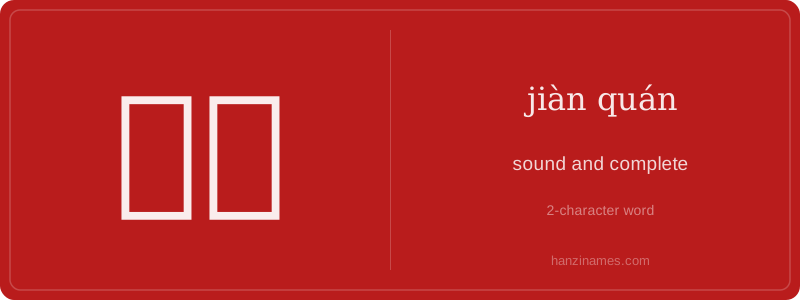
健全 means 'sound and complete' or 'well-developed.' It describes something that is in good condition, fully functional, or properly organized. It is often used to describe systems, structures, or conditions that are stable and effective.
The character 健 (jiàn) originally meant 'strong' or 'healthy,' while 全 (quán) means 'whole' or 'complete.' Together, they convey the idea of being physically or mentally strong and fully formed, without flaws or deficiencies.
健全 is commonly used in contexts such as legal systems, health, and organizational structures. For example, it can describe a healthy body, a well-functioning government, or a comprehensive plan. It reflects the cultural value placed on balance, completeness, and stability in both physical and social aspects of life.