孤立
How to Say
👀 0
How to Write
Meaning: isolation
How to Understand
孤立
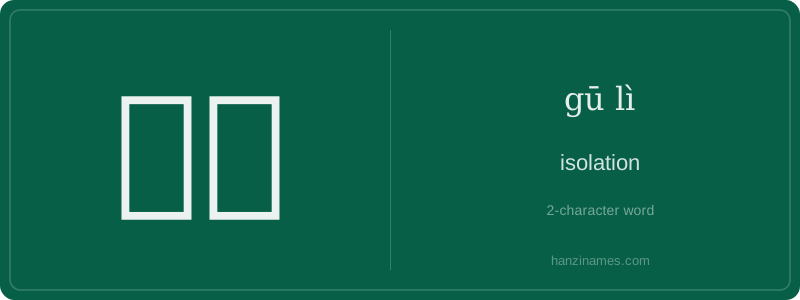
孤 is a noun meaning 'loneliness' or 'solitude,' and 立 means 'to stand' or 'to be established.' Together, 孤立 refers to the state of being isolated or cut off from others, either physically or emotionally.
The character 孤 originally meant 'orphan' or 'alone,' emphasizing a lack of companionship. 立 conveys the idea of standing alone or being independent. Combined, they express the condition of being separated from others, often with a sense of vulnerability or detachment.
孤 is commonly used in contexts like emotional isolation or geographic separation. It appears in phrases like 孤立无援 (isolated and without support) or 孤立主义 (isolationism). Understanding this word helps grasp themes of loneliness and independence in Chinese culture and literature.
Example Sentences
他感到一种深深的孤立感,无法与周围的人建立联系。
He felt a deep sense of isolation, unable to connect with people around him.
这个村庄被群山孤立,几乎没有与外界的交流。
This village is isolated by mountains, with little communication with the outside world.