口气
How to Understand
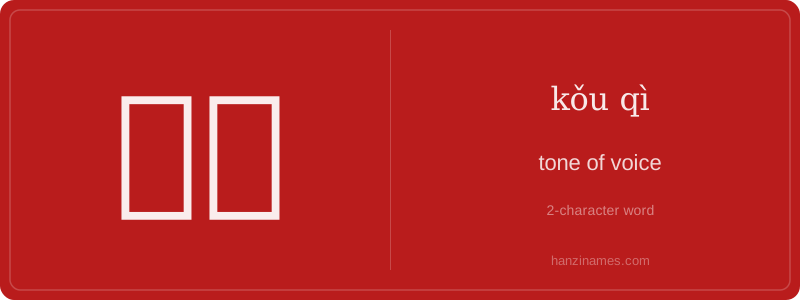
口气 refers to the tone or manner in which something is said, often reflecting a person's attitude, emotion, or style of speech. It can also describe the air or atmosphere of a place or situation.
The character 口 (kǒu) means 'mouth,' and 气 (qì) means 'air' or 'spirit.' Together, they suggest the 'air' that comes from the mouth, metaphorically representing how something is expressed verbally or the general atmosphere of an environment.
口气 is commonly used in daily conversation to describe someone's speaking style or the mood of a room. For example, a person might say they don't like someone's 言语口气 (yánwú kǒuqì), meaning they don't like the way someone speaks. It is also used in more formal contexts, such as describing the tone of a document or the atmosphere of a meeting.