高出
How to Say
👀 0
How to Write
Meaning: Higher than
How to Understand
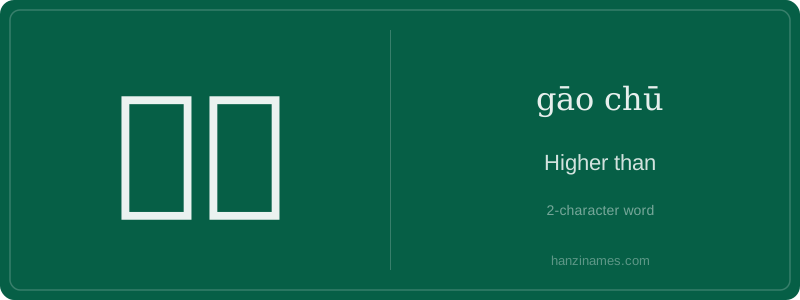
高出
高出 means 'higher than' or 'above' in English. It is used to compare two things, indicating that one is at a higher level or position than the other.
The character 高 (gāo) means 'high' or 'tall,' and 出 (chū) means 'to go out' or 'to emerge.' Together, they form a phrase that literally suggests something rising above or exceeding another.
It is commonly used in everyday language to describe physical height, levels, or even abstract concepts like quality or value. For example, it can be used to say a price is higher than expected or that someone's performance exceeds expectations.
Example Sentences
这个山比那座山高出很多。
This mountain is much higher than that one.
他的成绩高出班级平均分很多。
His grades are much higher than the class average.