磕头
How to Understand
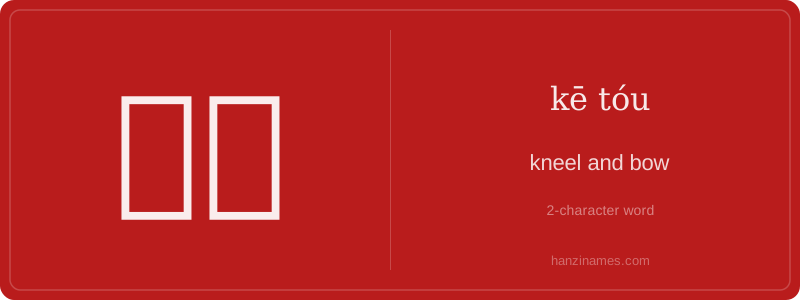
磕头 is a traditional Chinese gesture of deep respect, reverence, or apology, typically performed by kneeling and touching the forehead to the ground. It differs from a simple bow in its intensity and formality, often used in religious, cultural, or formal settings.
The character 磕 (kē) means to knock or hit, while 头 (tóu) means head. Together, they literally translate to 'knock the head,' reflecting the physical action involved. This term has roots in ancient Chinese rituals and continues to be used in both historical and modern contexts.
Kneeling and bowing is still practiced in some traditional ceremonies, such as ancestral worship, weddings, or when showing deep respect to elders or leaders. However, it is less common in daily life today, though it may appear in films, literature, or cultural performances.