围攻
How to Understand
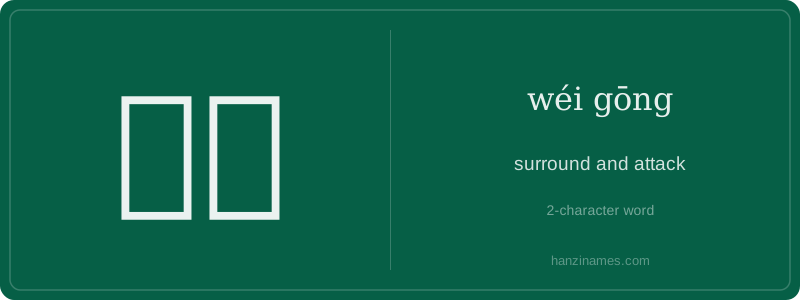
围攻 (wéi gōng) means 'to surround and attack' or 'to besiege.' It describes a military or metaphorical situation where someone or something is surrounded and attacked from all sides, often implying a coordinated and overwhelming effort.
The character 围 (wéi) means 'to surround' or 'encircle,' while 攻 (gōng) means 'to attack' or 'to assault.' Together, they form a compound verb that emphasizes both the encircling and the attacking actions, suggesting a strategic and forceful approach.
围攻 is commonly used in historical contexts, such as describing battles or sieges, but can also be used metaphorically, like when a person is criticized or targeted by many people. In modern Chinese, it may appear in news reports or discussions about political, social, or business conflicts.