翰林院
How to Understand
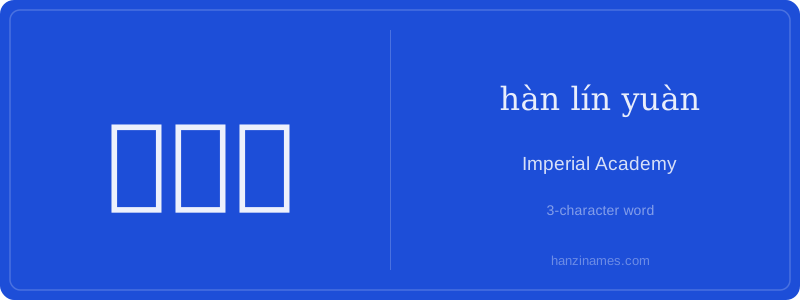
翰林院 (hàn lín yuàn) refers to an ancient Chinese institution that served as a center for scholarly and administrative activities during the imperial era. It was primarily responsible for selecting, training, and advising top scholars and officials, and it played a crucial role in the civil service examination system.
The character 翰 (hàn) originally referred to a type of bird's feather, symbolizing elegance and refinement. 林 (lín) means 'forest' or 'woods,' suggesting a gathering place. 院 (yuàn) means 'courtyard' or 'institution,' indicating a formal organization. Together, they evoke the idea of a refined, scholarly gathering place.
Historically, the Imperial Academy was a prestigious post for high-ranking scholars and was closely tied to the emperor’s court. Today, the term is often used in historical contexts or in discussions about traditional Chinese education and bureaucracy.